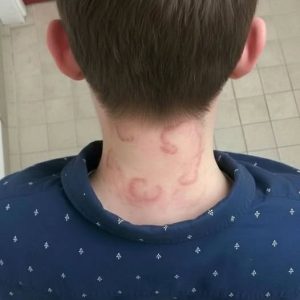
Urticaria, or hives, occurs when certain immune cells release substances such as histamine, causing small blood vessels in the skin to leak fluid. This produces raised, itchy welts that can vary in size and appearance. Some disappear within hours, while new ones may develop in different areas. Although hives can be uncomfortable and distressing, they are often not dangerous. However, a rash that persists or worsens over two months deserves a proper medical assessment.
Several factors can contribute to hives, including infections, medications, physical pressure, heat, cold, and other triggers. In children, recurring hives are not necessarily caused by food allergies, and sometimes no specific cause is found. Doctors distinguish between acute urticaria, which lasts less than six weeks, and chronic urticaria, which continues or repeatedly returns beyond that period. Other skin conditions can resemble hives, so a clinician needs to evaluate the symptoms rather than relying on photographs or online descriptions.
Treatment depends on the child’s symptoms and medical history. Healthcare professionals commonly recommend age-appropriate, non-drowsy antihistamines for hives, with the choice and dosage guided by a pediatrician. Keeping photographs of the rash and a record of when symptoms appear may help identify patterns. Parents should avoid experimenting with medications or increasing doses without medical guidance, particularly in young children.
One important warning involves swelling beneath the skin, called angioedema, which can sometimes accompany hives. Swelling of the lips or eyelids should prompt medical advice, while difficulty breathing, tongue or throat swelling, fainting, or sudden severe symptoms require immediate emergency care. These complications are not inevitable, and most children with hives do not develop dangerous reactions. Still, a child whose rash has worsened over two months should be examined by a healthcare professional to determine the cause and appropriate treatment.
Have you ever experienced recurring hives or seen a similar rash in your family? What helped you find the right diagnosis?





This Post Has One Comment